
About the Series
September-November 2025
Loving our neighbors isn’t just a good thought—it’s the second half of the greatest commandment and the way we see our love for God play out in our everyday lives. As we follow Jesus, a deep love for our neighbors—those who inhabit our lives and our stories—begins to well up in our souls and we see people more and more the way Jesus does.
This fall, we’ll journey into the life of Christ and look at the characteristics of neighboring. By looking at how Jesus interacted with people, how He pursued people, and what moved His heart, we’ll develop a deeper desire to emulate Him as we are also Becoming: Neighbors.

Download Study Notes
A guide designed for deeper personal or group study.
Messages in this Series
- Sep 14 | Becoming People Who Love Our Neighbors
- Sep 21 | Willing to Share My Faith
- Sep 28 | Willing to Share What I Have
- Oct 05 | Willing to Serve Those Who Seem Unworthy
- Oct 12 | Willing to Step in for Those Who Are Powerless
- Oct 19 | Willing to See Those Who Are Unseen
- Oct 26 | Willing to Befriend Those Who Are Lost
- Nov 02 | Willing to Bring My Friends to Jesus
- Nov 09 | Willing to Reach My One More
Troy Thornton - May 25, 2025
Joy
Scripture References: Galatians 5:22-23
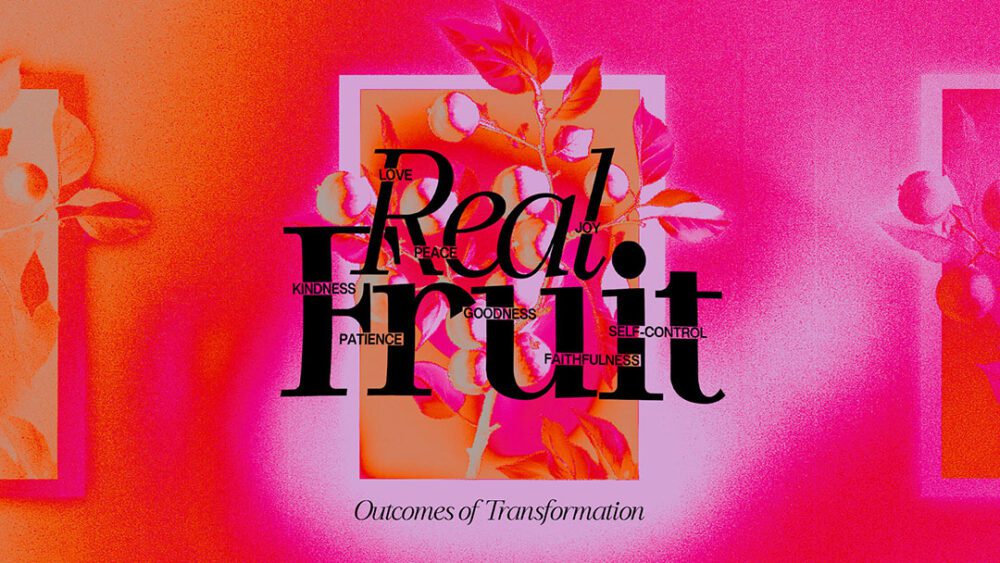
From Series: "Real Fruit: Outcomes of Transformation"
The gospel becomes visible in our lives through what Paul describes as “fruit” of the Spirit in Galatians 5. This fruit is evidence that the Holy Spirit is at work within us, shaping us to become more like Jesus. As we follow Him, we begin to reflect His character, both personally and in how we interact with the world around us. In our part of the world, we often think of Christlikeness as simply the absence of sin—or personal holiness. Instead, fruits of the Spirit point to a transformation that impacts our relationships, mirroring how Jesus loved and served people in a broken world. They tie Christlikenss to relationships. As we grow, we become less satisfied with the imitation “fruit,”—inauthentic lives that may look good on the surface, but can ultimately cause harm to ourselves and others, falling short of being who Christ wants us to be. Instead, the process of transformation leads us to desire genuine fruit that reflects our Creator’s design for us and for the world around us.